


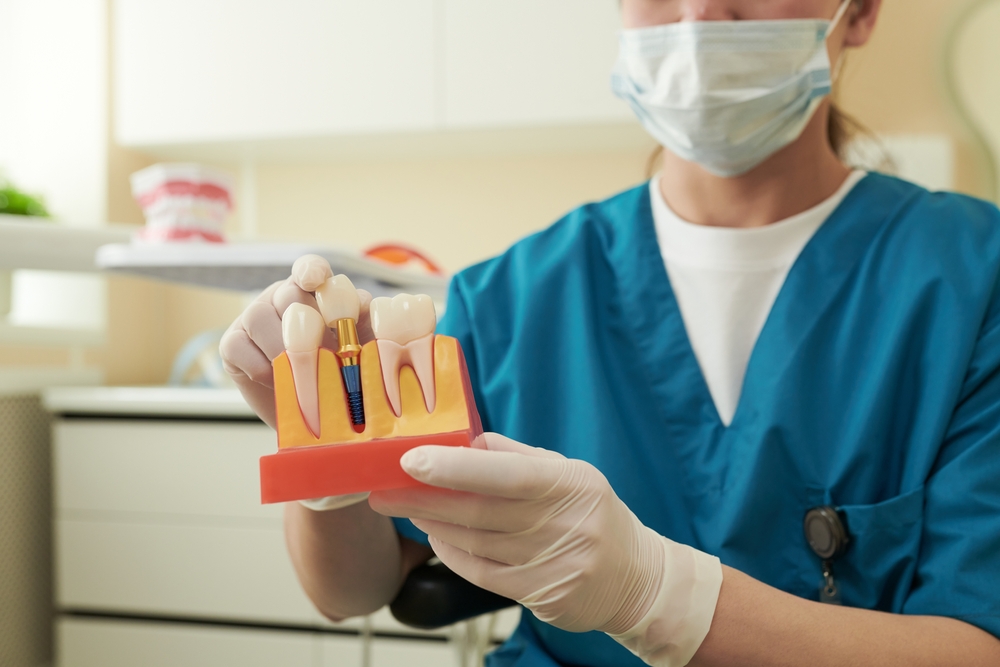
Missing teeth can affect daily activities such as eating, speaking, and maintaining oral function. For some patients, dental implants may be considered as a tooth replacement option. Understanding the treatment process can help individuals feel more informed when discussing care with a dental professional.
If you are considering dental implants, it is helpful to understand the steps involved from the initial consultation through the final restoration.
Step 1: Initial Consultation and Assessment
The first step involves a comprehensive dental examination. A Dentist in Newmarket may evaluate several factors before determining whether dental implants are an appropriate option.
During this assessment, the dentist may review:
- Oral health history
- Current dental condition
- Gum health
- Jawbone structure
- Diagnostic images such as X-rays or scans
The purpose of this appointment is to determine whether sufficient bone and healthy tissues are present to support an implant.
Step 2: Treatment Planning
Every patient has unique oral health needs. Following the examination, a personalized treatment plan may be developed.
The treatment plan may include:
- Number of implants required
- Location of missing teeth
- Expected treatment timeline
- Any preparatory procedures that may be needed
Patients should have the opportunity to discuss treatment options, benefits, risks, and costs before proceeding.
Step 3: Preparatory Procedures (If Needed)
Some individuals may require additional treatment before implant placement.
Examples may include:
- Tooth extraction
- Bone grafting
- Treatment of gum disease
These procedures may help create a healthier foundation for future implant placement. Healing times vary depending on the patient’s individual circumstances.
Step 4: Implant Placement
The implant placement procedure involves positioning a small titanium post into the jawbone where the missing tooth root once existed.
Local anesthesia may be used to help manage discomfort during treatment. In some cases, sedation options may be discussed when appropriate.
Ontario dental professionals are expected to follow RCDSO standards regarding patient assessment, informed consent, monitoring, and safety when sedation is considered.
Following placement, the implant remains beneath the gum tissue while healing begins.
Step 5: Healing and Osseointegration
One of the most important stages of the process is healing.
During this phase, the jawbone gradually bonds with the implant surface through a process known as osseointegration. This biological connection helps create stability for the future restoration.
Healing times vary from patient to patient and may take several months depending on individual factors.
Regular follow-up appointments allow the dental team to monitor progress and address any concerns.
Step 6: Abutment Placement
Once healing is complete, a small connector known as an abutment may be attached to the implant.
The abutment serves as the attachment point for the final restoration.
Impressions or digital scans may be taken at this stage to assist in designing the replacement tooth.
Step 7: Placement of the Final Restoration
The final step involves attaching a custom-made crown, bridge, or denture to the implant.
The restoration is designed to fit comfortably with surrounding teeth and support normal oral function.
Following placement, patients receive instructions regarding:
- Oral hygiene
- Follow-up care
- Routine maintenance
- Long-term monitoring
Learn More About Your Tooth Replacement Options!
If you are exploring solutions for missing teeth, our team at Dentistry in Newmarket can provide information about available treatment options, including dental implants. We work with patients to assess their oral health needs, discuss treatment plans, and answer questions throughout the process.
Recent Comments