


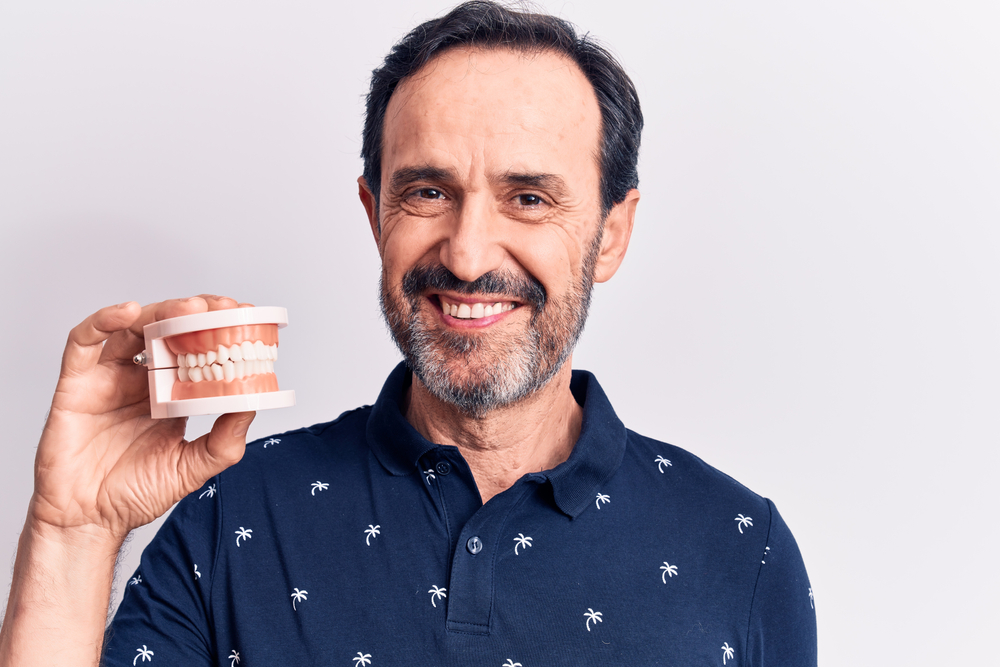
As we get older, maintaining dental health is crucial—not only for functionality but also for self-esteem and overall life satisfaction. When individuals lose their teeth due to aging, decay, or accidents, older adults often face a significant decision: dentures or dental implants. Both alternatives can rejuvenate your smile, yet they offer distinct advantages and drawbacks.
Understanding the pros and cons of each can help you make the right choice for your lifestyle, health, and budget with guidance from a trusted family dentist.
What Are Dentures?
Removable devices called dentures are designed to replace missing teeth. They have been in use for millennia and are available in both complete and partial sets. Compared to previous iterations, modern dentures provide improved comfort and a more realistic appearance.
Pros of Dentures:
- Affordability: Generally speaking, dentures are less costly than dental implants.
- Non-invasive: No surgery is required, which is ideal for seniors with health concerns.
- Faster outcomes: It is frequently possible to have dentures created and fitted in a few sessions.
Cons of Dentures:
- Fit and comfort: Dentures may shift or cause sore spots, especially if not fitted correctly.
- Bone loss: Dentures do not prevent jawbone deterioration.
- Maintenance: Dentures should be removed and cleaned daily.
For older adults seeking an affordable and non-invasive alternative, dentures may be the ideal choice. Nevertheless, they necessitate adaptation and maintenance to guarantee both comfort and effectiveness.
What Are Dental Implants?
Dental implants provide a durable option by placing a titanium post into the jawbone. This post acts as a foundation for a crown, bridge, or denture, depending on how many teeth need to be replaced.
Pros of Dental Implants:
- Stability: Implants are fixed in place. So they won’t fall out or slip while eating or drinking.
- Longevity: With proper care, implants can last decades.
- Bone health: Implants help prevent jawbone loss by mimicking the root of a natural tooth.
- Natural look and feel: They appear and operate nearly the same as actual teeth.
Cons of Dental Implants:
- Cost: Implants are more expensive upfront.
- Surgery: The procedure may not be suitable for all seniors, especially those with certain health conditions or insufficient bone density.
- Time: The process can take several months from start to finish, including healing time.
Implants offer a more permanent and functional solution but may not be the best fit for every senior, particularly if surgery is not advisable.
Which Is Right for You?
A number of individual characteristics influence the decision between dental implants and dentures, including:
- Overall health: Elderly individuals with specific health issues might not qualify for implant surgery.
- Bone density: Implants require a solid jawbone structure.
- Budget: Implants cost more but often pay off in the long term.
- Lifestyle: Active seniors may prefer the stability of implants, while others may find dentures more manageable.
Your family dentist can help assess your oral health and recommend the most suitable option based on your unique needs.
The Role of a Family Dentist
A skilled family dentist is your partner in navigating this decision. They can perform necessary exams, guide you through the pros and cons, and refer you to specialists if needed. Whether you’re considering dentures or dental implants, the right dentist ensures your solution fits comfortably and functions properly.
Restore Your Dental Health with Dentistry in Newmarket!
Choosing between dentures and implants doesn’t have to be difficult—Dentistry in Newmarket is here to help. Whether you’re ready to explore dental implants, need new dentures, or simply want advice from a caring family dentist, we provide personalized care that puts your comfort first.
Recent Comments